Cholesterol is a fatty substance produced by our body, but it is also found in some foods of animal origin. This substance is essential for the synthesis of many hormones, including vitamin D, but also for the structure of the membrane that surrounds cells. Excess cholesterol is not a disease in itself, but a risk factor for other diseases of the heart and blood vessels.
According to the latest guidelines, total cholesterol is considered normal if it does not exceed 200 mg/dl . Above this threshold, we speak of hypercholesterolemia.
Even more important is the composition of cholesterol. In fact, cholesterol is linked to different types of proteins, which are HDL and LDL.
What are triglycerides?
Triglycerides are the majority of the fats we eat and circulate in our blood. They are an essential source of energy for our body, however too high a level of triglycerides can promote the development of cardiovascular disease. The level of triglycerides in the blood should be less than 1.5 g/l. Too high levels are often related to excess alcohol, consumption of very fatty foods such as cheese and cured meats or the intake of certain types of medications. Triglycerides are measured on an empty stomach and are considered normal when the value is between 50 and 150-200 mg/dl.
Why do cholesterol and triglycerides rise?
Cholesterol is produced by the liver for 80-90% , while the remaining 10-20% is absorbed through food, mostly of animal origin. However, the way to reduce this substance is not to eliminate foods of animal origin, but rather to reduce consumption of high glycemic index foods, capable of causing insulin to rise significantly . Insulin is a hormone produced by the pancreas after consuming carbohydrates. Insulin allows glucose to enter the cells, which will use it to produce energy. It is important to know that in the face of a strong production of insulin, the liver tends to increase the synthesis of LDL cholesterol, especially if sugar consumption occurs in the evening . Therefore, it is mainly sugars that cause cholesterol to rise and not fats. Having said that, a massive production of cholesterol can also be linked to genetic factors, poor physical activity, or the intake of certain medications.
Even in the case of triglycerides, too high a level of this value is almost always linked to a high-calorie diet, rich in saturated fats and sugars, as well as alcohol abuse.
Natural products to reduce bad cholesterol and triglycerides
In addition to following a correct diet and a healthy lifestyle, it is possible to resort to some herbal remedies that, by promoting liver function and the metabolism of sugars and fats, can help to naturally regulate values such as triglycerides and cholesterol.
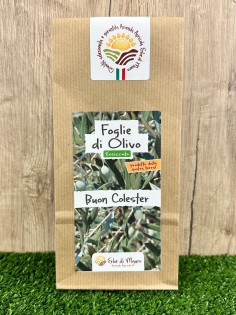
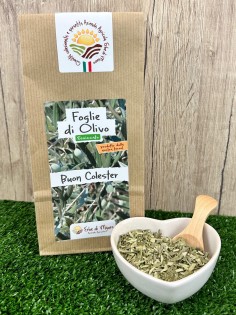
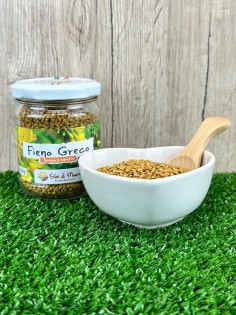
For example, milk thistle seeds ( Silybum marianum ), fenugreek seeds ( Trigonella foenum-graecum ) and olive leaves ( Olea europaea ) are all plants that can be taken as herbal teas or extracts to promote liver function and the metabolism of sugars and fats, also reducing the absorption of intestinal cholesterol.
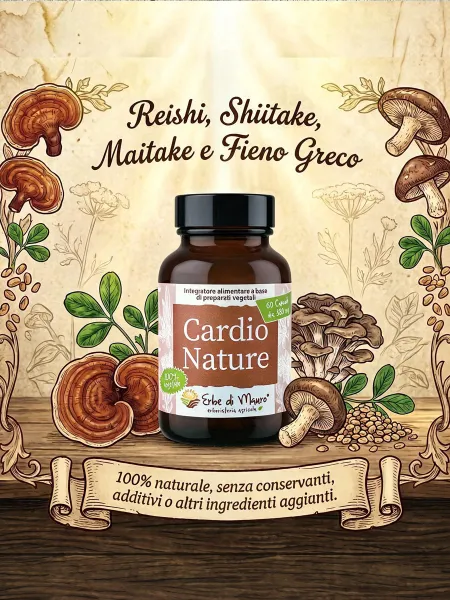
Even in the kingdom of mushrooms there are equally valid products. Studies have shown that mushrooms such as Reishi ( Ganoderma lucidum ), Maitake ( Grifola frondosa ) and Shiitake ( Lentinula edodes ) are able to regulate lipid metabolism by reducing the endogenous production of cholesterol and promoting the processes of detoxification and purification of the liver.
Supplement for controlling fat metabolism
The agricultural herbalist Erbe di Mauro offers a specific supplement to promote the metabolism of lipids and carbohydrates and therefore to help reduce cholesterol and triglyceride levels. The product in question is called CARDIO NATURE , it is a supplement in capsules based on plant extracts of fenugreek, reishi, maitake and shiitake, all herbs and mushrooms specifically chosen for their ability to normalize cholesterol and triglycerides.